Nuclear Weapons: Their Impact, Risks, and the Path Forward
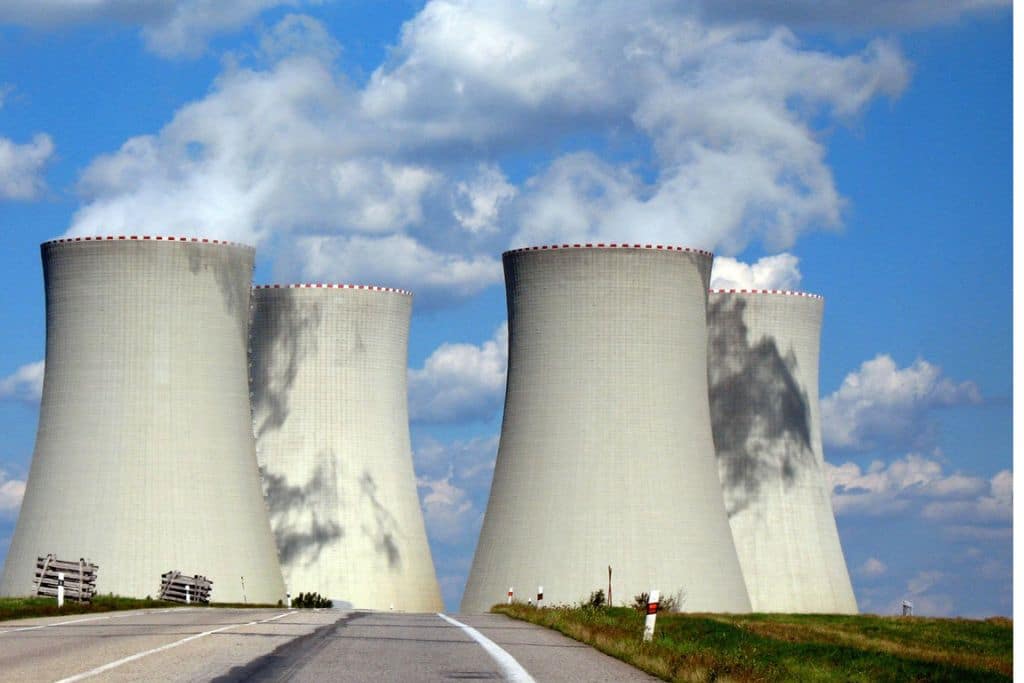
The Science Behind Nuclear Weapons:
Nuclear weapons operate on the principles of nuclear fission and fusion. Atomic bombs, or fission bombs, release energy by splitting heavy atomic nuclei, while hydrogen bombs, or fusion bombs, generate far greater explosive power through nuclear fusion, combining light nuclei at extremely high temperatures. The process involves a chain reaction, where the splitting or fusing of atoms produces a massive release of energy.
Global Nuclear Arsenals:
As of 2024, the estimated number of nuclear weapons possessed by various countries is as follows:
- United States: Approximately 5,800 nuclear warheads. The U.S. maintains a significant portion of its arsenal in a ready-to-use status, with many others in reserve or awaiting dismantlement.
- Russia: Approximately 6,375 nuclear warheads. Russia has the largest stockpile of nuclear weapons in the world, with a significant number deployed and others in reserve.
- China: Approximately 350 nuclear warheads. China has been expanding its nuclear capabilities and modernizing its arsenal.
- France: Approximately 290 nuclear warheads. France maintains a smaller but highly capable nuclear force.
- United Kingdom: Approximately 225 nuclear warheads. The UK’s arsenal is smaller, with a focus on maintaining a credible deterrent.
- India: Approximately 160 nuclear warheads. India has been developing its nuclear capabilities with a focus on regional security.
- Pakistan: Approximately 170 nuclear warheads. Pakistan's arsenal is growing, driven by regional rivalries, particularly with India.
- North Korea: Estimates vary, but North Korea is believed to have between 40-60 nuclear warheads. The country has conducted several nuclear tests and is actively developing its nuclear program.
The Global Impact of Nuclear Weapons:
The humanitarian consequences of nuclear weapons are severe and long-lasting. The immediate impact includes massive destruction and loss of life, with survivors suffering from radiation sickness and long-term health issues. Environmental damage is also significant, with radioactive fallout contaminating air, water, and soil. Politically, nuclear weapons serve as a deterrent to large-scale conflicts, but they also contribute to global tensions and influence international relations in complex ways.
Current Challenges and Threats:
Nuclear proliferation remains a critical challenge, with some countries pursuing nuclear capabilities and non-state actors posing a threat of nuclear terrorism. Efforts toward disarmament face obstacles, including geopolitical disagreements and varying national interests. Despite these challenges, global initiatives and treaties continue to promote disarmament and arms control.
The Path Forward:
Looking ahead, diplomacy and international agreements play a crucial role in managing nuclear threats. Ongoing negotiations and treaties aim to reduce nuclear arsenals and prevent the spread of nuclear weapons. Advances in verification and monitoring technologies offer hope for better compliance with disarmament efforts. As technology evolves, innovative solutions may emerge to further support non-proliferation goals and enhance global security.
Hashtags: #NuclearWeapons #GlobalSecurity #Disarmament #NuclearProliferation #InternationalRelations #NuclearDeterrence #PeaceAndSecurity #ArmsControl #GlobalChallenges #NuclearScience
- "How to Optimize Your Content for SEO in 2024"
- "The Importance of Backlinks in SEO"
- "How to Build a Successful Backlink Strategy in 2024"
For more about Billionaires visits below:
- Timothy Dunn: Oil Executive and Major Conservative Donor
- Miriam Adelson: Philanthropist, Billionaire, and Political Powerhouse
- Jim Simons: Mathematician, Hedge Fund Genius, and Political Donor
- Diane Hendricks: From Entrepreneur to Political Powerhouse
- Secrect Behind : TradingView Platform for Traders and Investors
- American Express: A Global Financial Powerhouse
- Donald Trump vs. Kamala Harris: The Next Next President of the United States?
- Hasina Wajid Resigns: Legacy and Crisis


Comments
Post a Comment